Roulette-Tableau_7008x3944px

How does Roulette work?

Chips, table layout, wheel: what do these terms mean in roulette? Learn all about the terminology and the roulette rules at MERKUR.

approx. 3 min.
How does Roulette work?

A Gaming Classic

Roulette has been a staple of European leisure since the 17th century, and today it remains a cornerstone of any authentic casino or gaming hall experience.

To help you feel confident and ready for your next visit to a MERKUR Casino, we've put together this guide explaining exactly how the game works and the key terms you'll encounter.

In brief: What is Roulette?

The goal of roulette is simple: a small ball is spun around a wheel containing numbers from 0 to 36. Since there are 37 possible pockets, every single number has an equal chance of winning.

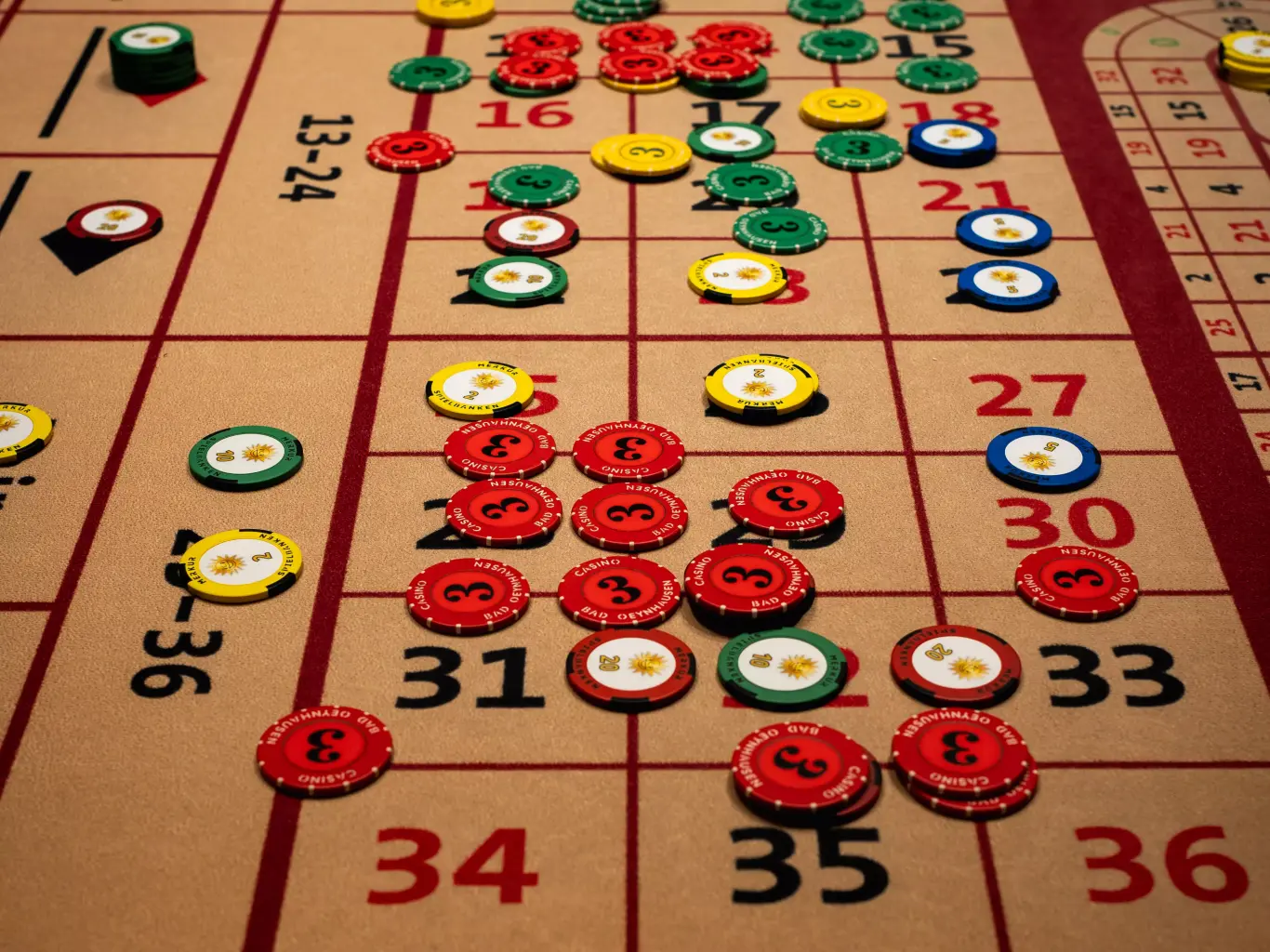
Before the spin, you decide where to place your bets using chips on the table layout (the tableau). You can pick a single number or a combination of them; if the ball lands on your selection, you'll receive a payout based on your stake.

Beyond just picking numbers, you can also place your bets on the colors of the wheel—either red or black.

Structure of the Roulette Table

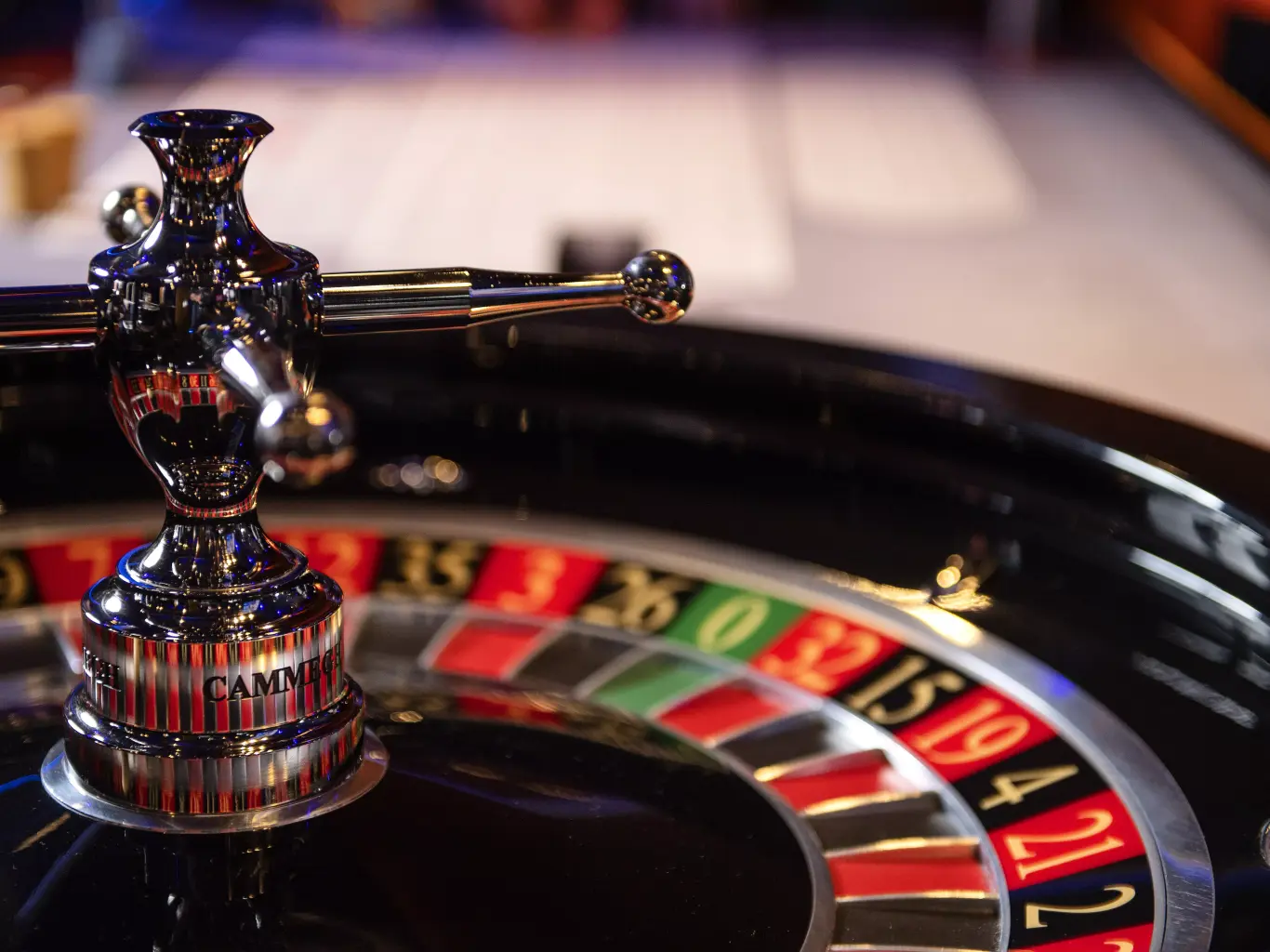
The physical setup of a roulette game consists of two main parts: the spinning wheel (sometimes referred to as the cylinder) and the betting layout on the table.

Let's start by breaking down how the wheel works:Let’s first take a closer look at the wheel:

Roulette-Cylinder-transverse

The wheel features 37 pockets numbered 0 through 36, which alternate between red and black. The only exception is the zero, which is always green. While the numbers aren't in numerical order, the sequence is consistent across all our wheels.

The croupier—the professional managing the table—spins the wheel in one direction and launches the ball in the opposite direction. Determining the winner is straightforward: if the ball settles in a pocket that matches your chosen number or color, you win.

Roulette-Tableau-vertical

So, what exactly is the table layout?

Think of the table layout as your betting map. It features a grid of boxes for numbers 0 to 36. Around the edges, you'll find additional betting options for groups—such as 1–18 or 19–36—as well as bets on whether the result will be even or odd.

The Course of Play:

Once the bets are placed, the dealer announces, 'Place your bets, please.' As soon as the ball is released, the dealer calls out 'No more bets,' signaling that no further chips can be added to the table.

For a valid round, the ball must spin at least eight times before landing on a number. The dealer then identifies the winning number and distributes the payouts to the lucky players.

Essential Terminology for American Roulette

Racetrack

This is where you can place more specialized bets, such as series, the zero game, or 'neighbor' bets. Neighbors are the numbers physically located to the left and right of your chosen number on the racetrack. You can cover up to four neighbors by telling the croupier your choice (e.g., '7 one-one' for 3 chips, or '17 four-four' for 9 chips), and they will place the chips for you on the racetrack.

If the ball lands on any of these neighbor numbers, the payout is 35 to 1. Note that all bets on the racetrack are handled exclusively by the croupier.

Dolly

The 'dolly' is a small marker placed on the winning number so everyone can see the result. While the dolly is resting on a specific number, players cannot place new bets on that particular field.

Wheel Cheeks

These specific chips don't have a printed value; instead, they are identified by color. Each player chooses a unique color and assigns it a value. These 'wheel checks' are only valid at the current table and limit the number of players. Once you're done playing, you exchange them back for standard value chips.

Permanences

In the world of roulette, 'permanences' are the records—either written or digital—of the sequence of numbers that have previously appeared.

Tronc

Following international casino etiquette, when a player hits the maximum payout (a straight-up bet), it is common to leave a small tip for the staff, usually equal to the original stake, known as the 'tronc'.

Double your luck? Just share it:

Explore our Roulette options and find your perfect game!