Monopoly_Beitragsbild_2

The game with luck?

Read here why board games like Monopoly are not always just about luck. Curious?

approx. 3 min.
The game with luck?

Monopoly, Gambling, and Mathematics

Back in 1904, Elisabeth Maggie Philipps created “The Landlord’s Game,” likely never imagining it would become a global phenomenon. Interestingly, her goal wasn't to celebrate wealth, but to warn players about the pitfalls of extreme financial success. What we now call “Monopoly” started as an anti-capitalist lesson, illustrating the harsh reality that when a handful of people control everything, everyone else is left with almost nothing.

Monopoly_Beitragsbild_3

Whether it's a classic board game or the excitement of MERKUR games, the goal is always the same: having a great time.

The game's massive success is evident in its endless variations. From city-specific editions like Tokyo, Berlin, and New York to pop-culture crossovers like the Friends version, Monopoly has adapted to almost every corner of the world.

How Math Shapes the Way We Play

In games of pure chance, such as roulette, your influence is minimal. You can pick a color or a number, but after that, the outcome is entirely out of your hands. That is the essence of a gamble.

Monopoly is a different story because it gives you actual agency. Your success depends on strategic choices—like deciding which properties to invest in or negotiating trades with other players. Every move you make can shift the tide of the game.

This is where a bit of mathematical insight can give you an edge. For instance, you're 47% more likely to land on Opernplatz than on Parkstraße. This isn't just because of specific Chance cards, but also because Opernplatz is positioned 14 spaces from the jail, a distance typically covered in two average rolls.

Math also dictates the potential return on your investments. Understanding which properties yield the highest rent and how often they are hit can be the difference between winning and losing. Instead of looking at the sticker price, do a little calculating to keep your opponents guessing.

Monopoly_Beitragsbild_1

From board games to MERKUR slots, mathematics is the invisible engine driving everything.

Mathematics in MERKUR Games

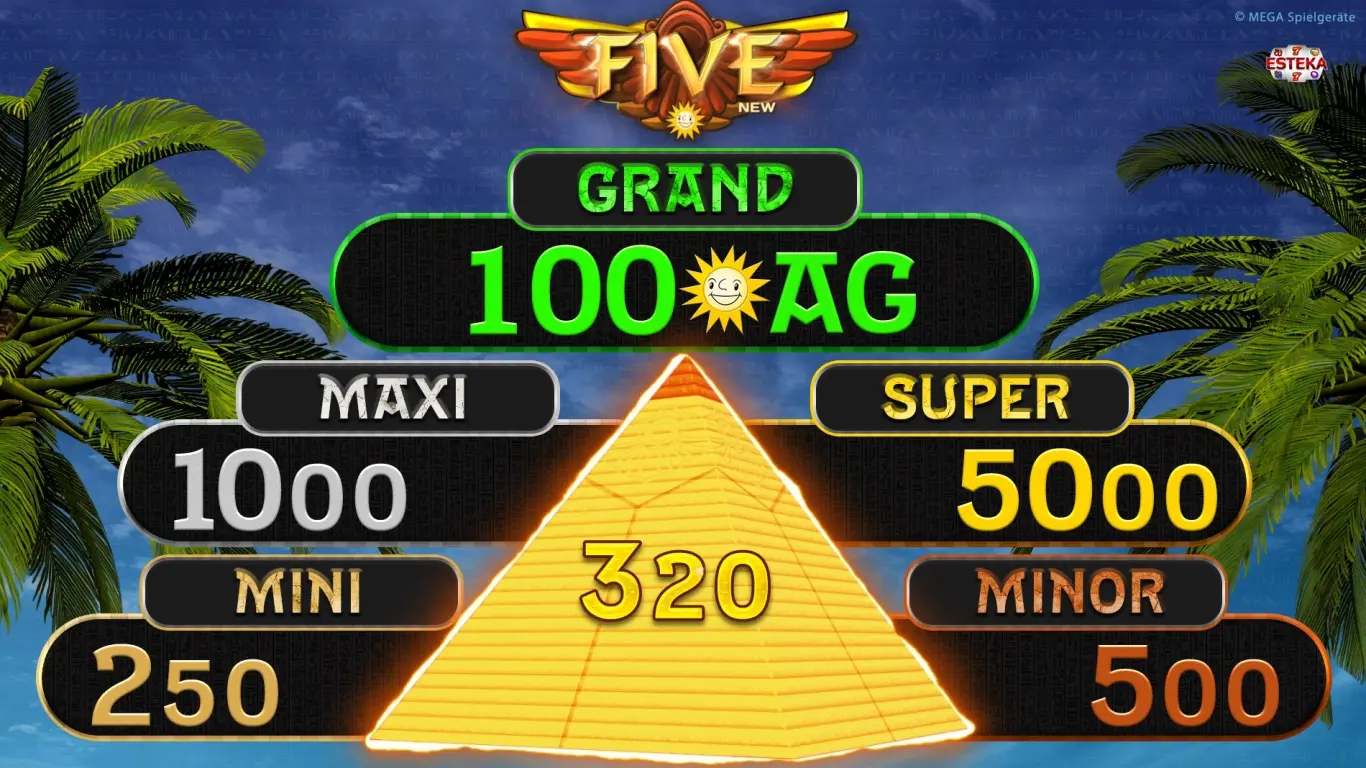
Math is also the backbone of our MERKUR games, even if it's less obvious to the player. Think of it as the blueprint—much like how a carpenter uses specific measurements for height and width, we use numbers to build the game's structure. A key element is the payout ratio, which determines the average percentage of stakes returned to players. We also use math to set the volatility, balancing frequent small wins against rare, larger payouts. Then there's the “hit frequency,” which dictates how often special events or jackpots occur—like in our popular Jackpot FIVE. FIVE .

Five-Cashpot

Check out one of our most sought-after jackpots: the FIVE

FIVE-Feature-Pyramid

Haven’t had enough yet?

Still curious about the intersection of math and gaming? We recommend the Deutschlandfunk Nova podcast “Wie im Jahr 1904 Monopoly entstand.” It’s a great deep dive into the game's origins and the mathematical principles that make it work. Wie im Jahr 1904 Monopoly entstand from Deutschlandfunk Nova. Here, you’ll not only learn a lot about the history of this classic but also gain a detailed insight into the mathematics behind games.

Double your luck? Just share it:

Where do you build your pyramids?