What exactly is the Expert Panel?
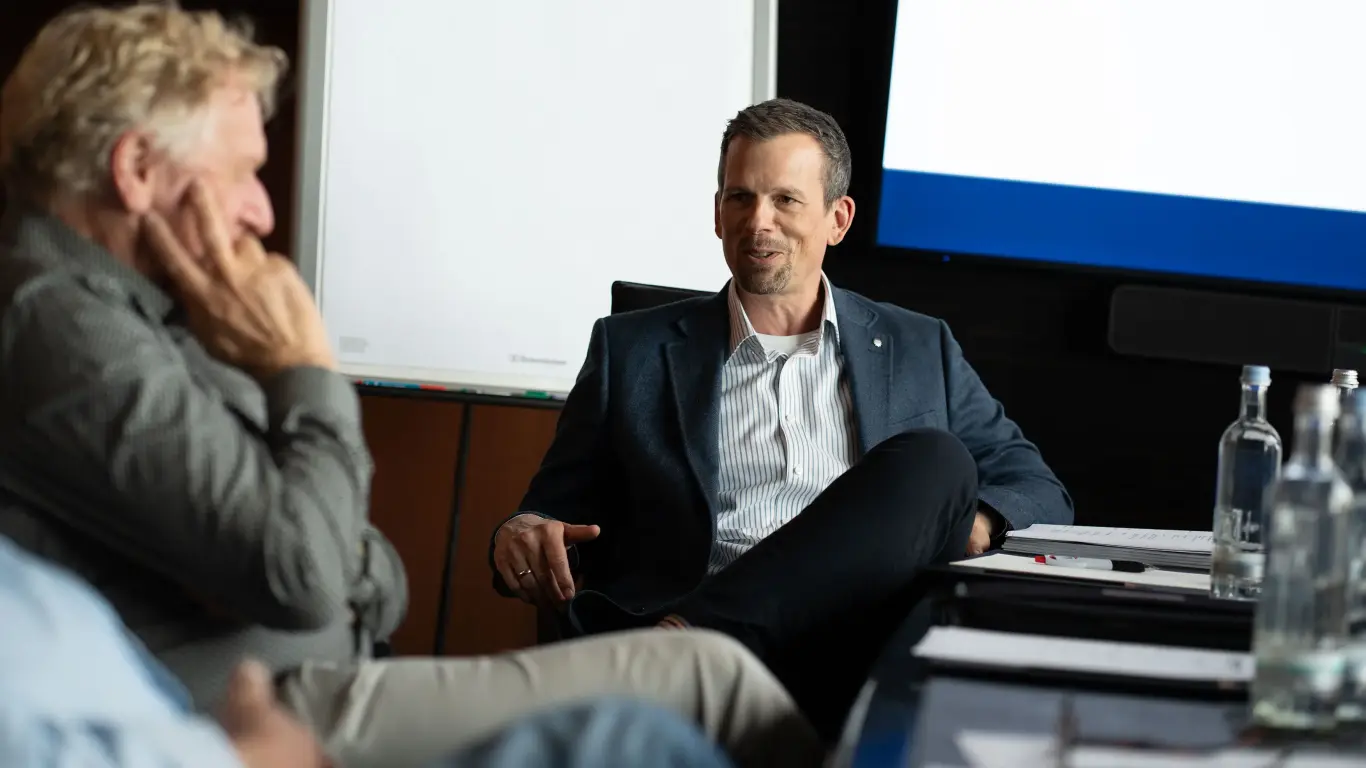
Jan Kowala: Established back in 2012, the Expert Panel acts as a multidisciplinary forum. We bring in outside specialists from fields like psychotherapy, sociology, and academic research, mainly from Germany, the Netherlands, and Switzerland, to ensure a diverse range of perspectives. Of course, these external voices are complemented by our own internal experts across various departments within the MERKUR GROUP.Jan Kowala: The Expert Panel is a forum established in 2012, bringing together external specialists from sociology, psychotherapy, research, and science. What is important here: these are mainly external experts with very different backgrounds – from Switzerland, the Netherlands, and Germany. In addition, of course, experts from various disciplines within the MERKUR GROUP also take part.
And what is the function of this panel?
Jan Kowala: Think of the Expert Panel as our professional sparring partner for everything related to Responsible Gaming. Whenever we need a fresh set of eyes on a project or want an honest critique of our current strategies, we turn to them. Their feedback, whether it's a new idea or a sharp critique, is what drives us to keep improving our approach.Jan Kowala: The Expert Panel serves as our sparring partner for all questions relating to Responsible Gaming. We bring in topics where we need an additional perspective or ask for assessments of existing measures. The experts provide us with impulses, criticism, and suggestions – all with the goal of improving our actions.
But what does a typical session with the panel actually look like?So, how do these meetings actually work?
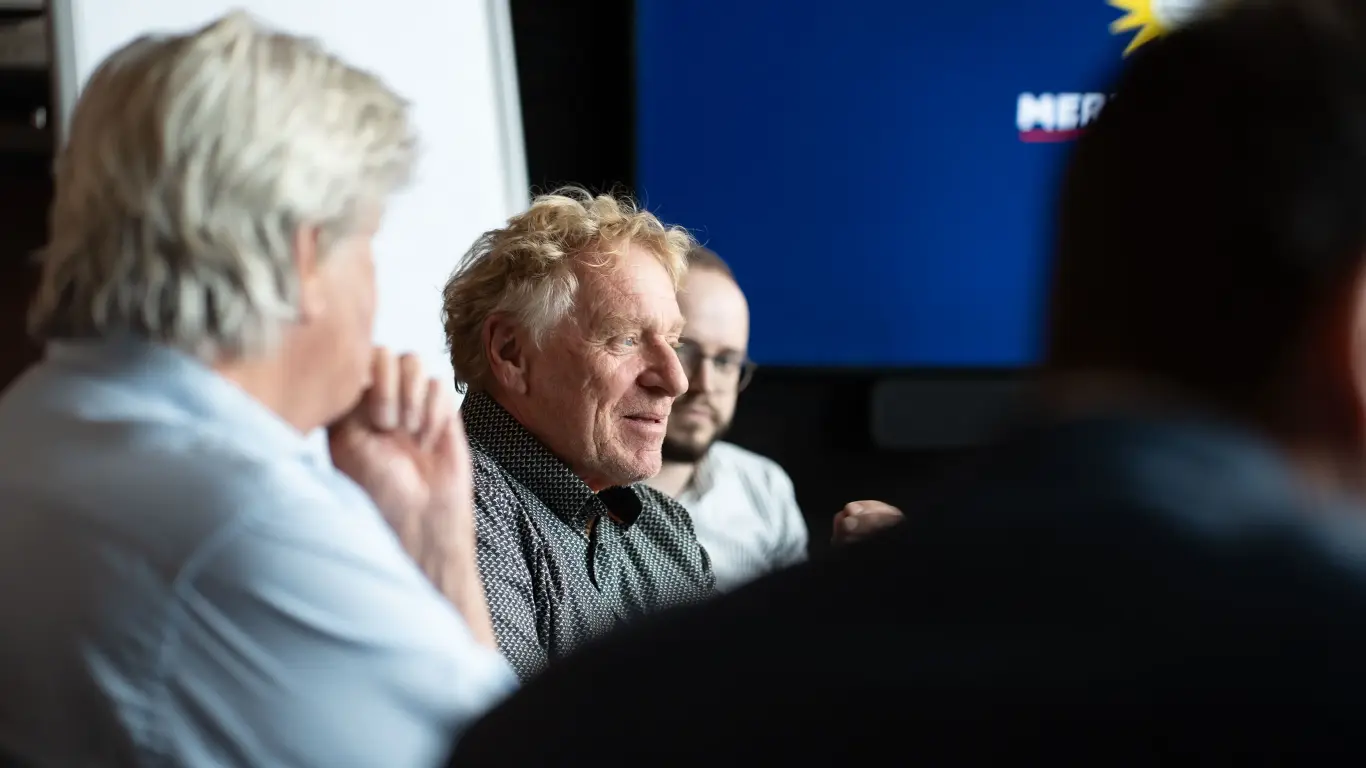
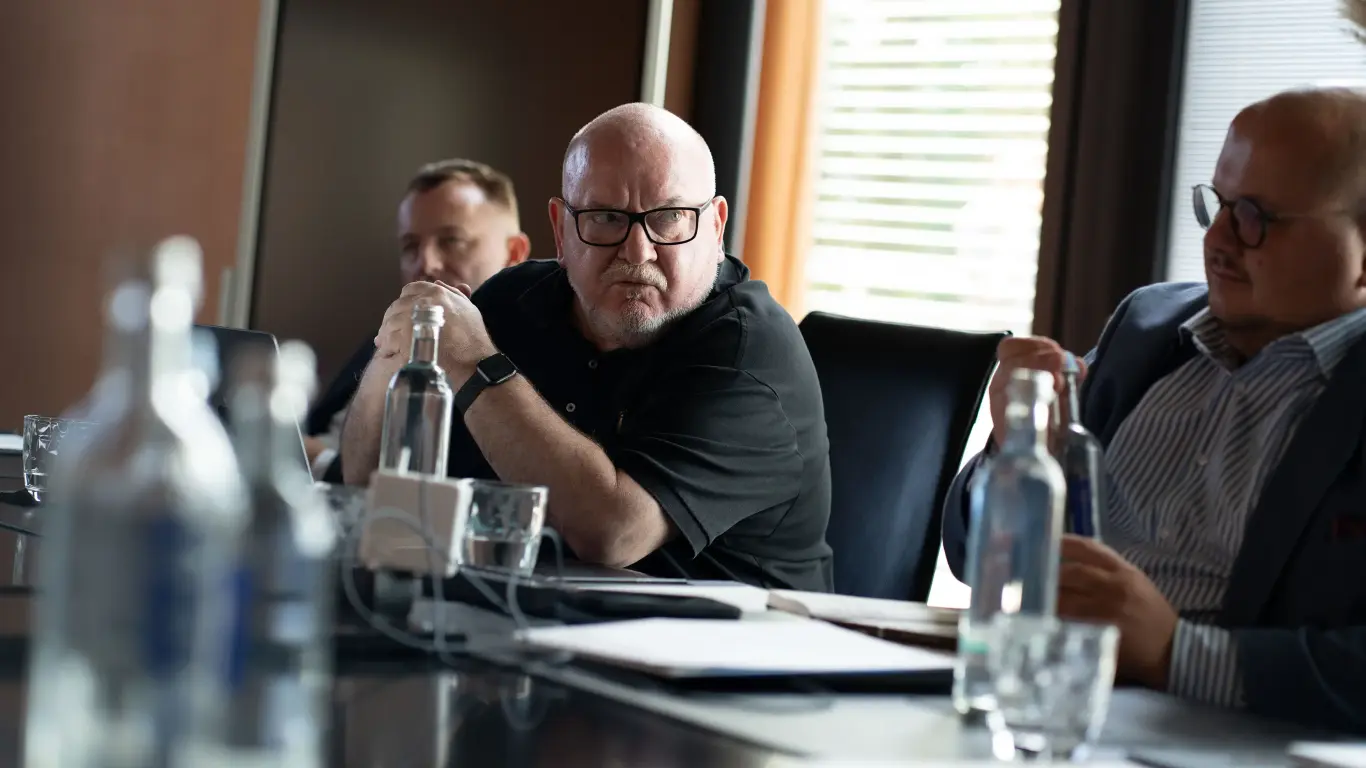
Jan Kowala: We generally gather three times a year for two-day sessions in Düsseldorf. The agenda is quite systematic: we start with introductions, provide the panel with company updates and new project briefs, and share the latest regulatory news from our Public Affairs team along with scientific findings from our researchers. This sets the stage for an in-depth dive into a primary topic or specific challenge. While the workload is intense, the long-term relationships mean the atmosphere is always open and collaborative. Afterward, I carefully document every insight to ensure they are integrated into our daily operations.Jan Kowala: We usually meet three times a year, mostly for two days in Düsseldorf. The process is clearly structured: welcome and, if necessary, introductions, updates from the MERKUR GROUP (e.g. new projects), political and regulatory updates from Public Affairs, scientific updates from our internal experts, and then a discussion of a core topic or a specific task. The meetings are intensive in terms of content, but thanks to the long-standing cooperation, they also take place in an open, constructive atmosphere. At the end, I document all the results in order to transfer them into our daily work.
How much of an impact does this panel actually have on MERKUR GROUP's operations?How important is the Expert Panel for the work of the MERKUR GROUP?
Jan Kowala: It's absolutely essential. Having spent over 13 years in Responsible Gaming, I've realized that it's easy to develop a kind of 'tunnel vision' when you're too close to the work. The panel effectively bursts that bubble. By bringing in outside voices and decades of diverse professional experience, they challenge our assumptions and provide the clarity we need to move forward.Jan Kowala: Extremely important. I have been working on Responsible Gaming for over 13 years. That means I have a lot of experience, but inevitably I also develop a certain degree of tunnel vision. The panel helps us break out of this “bubble.” The external voices open up new perspectives, give us critical feedback, and contribute their own decades of experience. This creates valuable insights and clarity for us.
Could you introduce us to the people who make up the Expert Panel?Who are the members of the Expert Panel?
Jan Kowala: We are fortunate to have Jörg Häfeli from Switzerland, a pioneer in social concepts for casinos and a former professor at the Lucerne University of Applied Sciences and Arts. His expertise in prevention spans both the gaming world and professional sports. Then we have Dr. Wolfgang Kursawe, who spent 18 years leading a gambling disorder unit in Cologne and has personally conducted over 1,000 therapies. His practical experience is crucial because he tells us if our measures actually reach and help the people who need them. On the international side, we have Pieter Remmers, a true veteran. He runs a national helpline, organizes one of the world's biggest Responsible Gaming conferences, and certifies gaming companies globally, bringing a massive international network to the table. Inside MERKUR, we also include researchers who track global studies on mental health and gambling, as well as our Public Affairs colleagues who keep us aligned with the latest political shifts.Jan Kowala: First of all, we have Jörg Häfeli from Switzerland: he was project manager and professor at the Institute of Social Management and Social Policy at the Lucerne University of Applied Sciences and Arts. In Switzerland, he developed the first social concepts for casinos and was a pioneer in this field. He has experience not only in prevention within the gaming sector, but also in professional football. Then there is Dr. Wolfgang Kursawe. For over 18 years he headed the specialist unit for gambling disorder at the Drug Counselling Service in Cologne and conducted more than 1,000 therapies with people affected by gambling disorder. His knowledge helps us understand whether our measures are practically effective and even perceptible for those affected. Finally, from the external side: Pieter Remmers. A true “all-rounder” and veteran in the field of Responsible Gaming: organiser of one of the largest international Responsible Gaming conferences, operator of a national helpline, and active worldwide as a certifier of gambling companies. He brings with him a global network and tremendous experience in Responsible Gaming. In addition, our internal experts from the MERKUR GROUP are involved – including a research associate who keeps us up to date on international studies on gambling, mental disorders, and general scientific developments. Our colleagues from Public Affairs also contribute political and regulatory updates.
Can you share a real-world example of how the panel's advice was applied?Can you give a concrete example of how the panel helps in practice?
Jan Kowala: A great example was the rollout of the 2021 State Treaty on Gambling. When online gaming and sports betting became legalized, we had to build new social frameworks from scratch. We created a unified structure for all game types but purposefully handed it over to the Expert Panel for a 'stress test.' They questioned everything—whether the logic held up, if it was easy to understand, or if we had missed anything critical. Their input allowed us to refine the concept into a cohesive, practical set of measures.Jan Kowala: A good example is the introduction of the State Treaty on Gambling 2021. With the legalisation of online gaming and sports betting, we needed new social concepts. We developed a unified structure for all forms of play, but deliberately presented it to the Expert Panel. The external specialists reviewed our ideas: Is it understandable? Is it sensible? Is something missing? Thanks to their input, we were able to optimise the concept. The result was a package of measures that was both coherent in content and practical in application.
Ultimately, what is the biggest benefit of having this panel?What is the greatest added value of the panel?
Jan Kowala: Without a doubt, it's the shift in perspective. Because the experts are specialists in the field but aren't involved in our daily corporate grind, they can be completely impartial. They hold up a mirror to our work, challenge our thinking, and provide the sparks that help us evolve Responsible Gaming—not just for our company, but for the benefit of the entire industry.Jan Kowala: Without a doubt: the change of perspective. The experts are close to the topics, but distant enough from our company’s day-to-day operations to question things impartially. We are held up to the mirror, presented with new perspectives, and receive impulses that help us further develop Responsible Gaming – not only for ourselves, but for the entire industry.
Thank you very much!




 Franzi | Games