Istock_Formel1_Rennsport

Formula 1 Rules and Bets

Pure adrenaline: roaring engines, the biting smell of burnt rubber, pit stops at breathtaking speed – this is the world of Formula 1. But what’s really behind this racing spectacle?

approx. 5 min.
Formula 1 Rules and Bets

Quick Overview: Using the 4-P Framework to Understand F1 Rules & Betting

Formula 1 is far more than just high speeds and raw adrenaline. To make informed bets, you need to grasp the mechanics of the sport. Our 4-P model illustrates exactly how the official rules influence betting outcomes:

  • Pole → The qualifying sessions and starting grid set the stage for the entire race and create a wide array of betting opportunities.
  • Points → The battle for the top 10 determines the standings for both drivers and teams, which is the core of any long-term season bet.
  • Power → Factors like tyre degradation, pit stop efficiency, safety car deployments, or steward penalties can swing the odds in an instant.
  • Prediction → Whether you're picking the winner or a niche outcome, the best tips come from blending a knowledge of the rules with strategic timing.
  • By keeping Pole, Points, Power, and Prediction in mind, you can transform every Grand Prix from a simple race into a calculated and exciting betting experience.

The Pinnacle of Motorsport: Understanding F1 Regulations for Smarter Betting

Stock_Formel_1_Racing_Car_Rennwagen

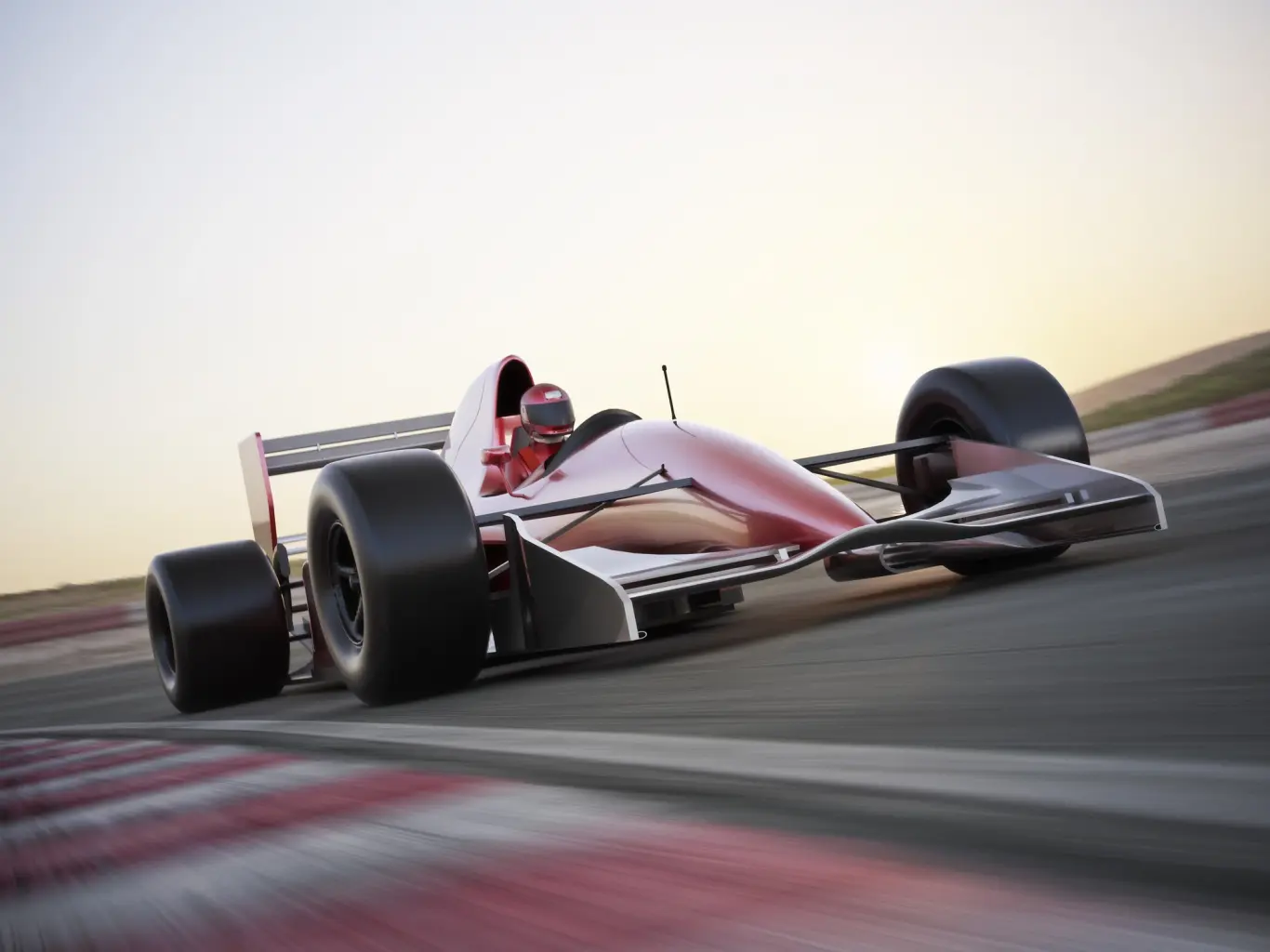
Formula 1 is synonymous with maximum speed. But what actually happens under the hood of the competition? The rules—from how qualifying works to the way points are handed out—can be the difference between a trophy and a total loss. This is where the edge lies for bettors: those who truly understand the regulatory framework can spot value in the odds long before the general public does.

F1 Fundamentals: Breaking Down How a Race Actually Works

Ready to get started? Let's put the essential rules for successful betting right at the front of the grid:

  • Qualifying & Starting Grid: Before the main event, qualifying determines who starts where. Across three knockout stages (Q1, Q2, Q3), drivers fight for 'pole position'—the very front of the grid. While starting first is a huge advantage, it's not a guarantee; some drivers are masters at carving through the field from further back. → Betting Tip: Pole position is a strong indicator, but don't treat it as a certainty.
    → For your bets this means: consider pole position, but don’t overestimate it.
  • The Grand Prix – Duration & Dynamics: Most races last around two hours or a set number of laps. While that sounds straightforward, variables like sudden rain, safety car interventions, or red flags can flip the leaderboard upside down. → For bettors, these unpredictable moments are where the most lucrative odds shifts happen.
    → These moments are gold, because odds can shift in seconds.
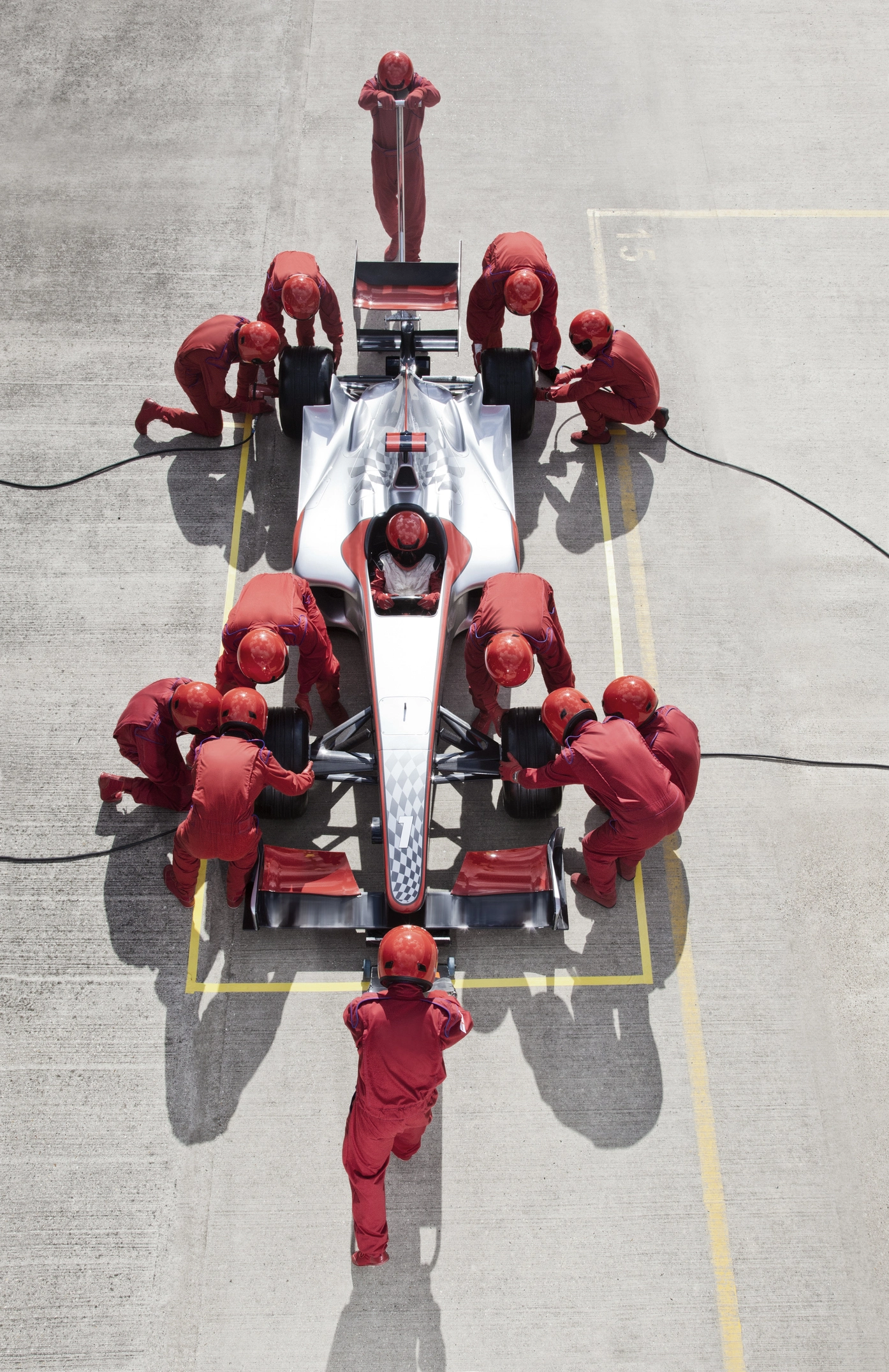
  • The Art of the Pit Stop: These few seconds are the heartbeat of the race. Switching tyres or adjusting a front wing must be flawless. A slow stop can cost a driver several positions, while a strategic masterpiece in the pits can steal a victory. → Keep in mind: the pit crew's precision is often just as influential on the outcome as the driver's skill.
    → For betting fans interesting: often it’s not just the driver but the pit crew’s strategy that decides.
  • Points & The Podium: Only the top ten finishers earn points, with 25 going to the winner and scaling down to a single point for tenth. These accumulate throughout the year to crown the World Champion and the best Constructor. → When betting on season outcomes, look for consistency. Drivers who consistently hit the podium provide more stable odds than 'boom-or-bust' racers.
    → For outright season bets this means: consistency is gold. Drivers who regularly make it to the podium are usually ahead in the title fight – and bring stable odds.
  • Tyre Management & Strategy: Teams choose between soft, medium, and hard compounds, balancing raw speed against longevity. The timing of pit stops—depending on weather or race incidents—is a game of chess. → This is where betting gets exciting: an 'undercut' can sneak a driver past a leader, while an 'overcut' can lead to a shock victory. Strategy is the invisible hand of F1.
    → Particularly exciting for betting fans: a perfectly timed undercut can destabilise favourites, while an overcut has already enabled many surprises. Strategy is everything here.
  • Penalties & Regulation: From crossing track limits to causing collisions, F1 is strictly policed. Time penalties or grid drops can ruin a favourite's race in an instant. → Always factor in the risk of a penalty; a single mistake can knock a driver off the podium and completely change the value of your bet.
    → For your bets this means: always consider the risk of penalties. Even a small mistake can topple podium finishes and odds – and regularly creates surprises.

Key Update: New Qualifying Regulations for 2025Important to Know: New Qualifying Rule from 2025

Starting in mid-2024, F1 announced a significant change for the 2025 season: if qualifying is cancelled due to unforeseen circumstances, the starting grid will now be based on the current championship standings, removing the arbitrary decisions of the stewards. Furthermore, if a driver is confirmed unable to race up to 75 minutes before the start, the grid will shift up automatically rather than leaving a gap.

The Bottom Line: While qualifying cancellations tend to favour the championship leaders, last-minute driver withdrawals can give outsiders a better starting position, creating unexpected opportunities in the odds.

Exploring F1 Bet Types: A Guide to Options, Risks, and Special Markets

Bet TypeShort ExplanationImportant for Your Bet
Outright Winner (Race/Season)Race Winner or World Champion: Predict who takes the checkered flag or the season title.Risk vs Reward: Favourites offer safer but lower returns, while outsiders provide massive payouts during chaotic races.
Podium BetsDriver must finish in the top 3 (or top 6)Podium Finishes: A great choice for consistent drivers who are strong but might not always win the race.
Pole Position/QualifyingWho secures P1 in qualifying?Pole Position: Betting on who is fastest over a single lap, though this doesn't always translate to a race win.
Fastest LapBet on the driver with the fastest lapFastest Lap: Often a great value bet on outsiders who use fresh tyres at the end of the race to grab that extra point.
Head-to-HeadHead-to-Head (H2H): A direct battle to see which of two specific drivers finishes higher.The Rivalry Bet: Perfect for teammates or title contenders fighting for dominance.
Special BetsSpecial Events: Predicting safety cars, DNFs (retirements), or the timing of the first pit stop.High Stakes: These are ideal for those who enjoy higher risk for potentially higher rewards.
Outright Season BetsChampionship Outrights: Betting on the overall Driver or Constructor champion for the year.The Long Game: Here, seasonal reliability and consistency outweigh a single spectacular win.


Race Winner/World Champion: Pick the top spot. Low odds for the elite, high payouts for the underdogs in a messy race.
Bet on the winner of a race or the World Champion
Favourites have low odds, outsiders pay off in chaotic races
Top 3 or Top 6 Finish: A safer bet for reliable drivers who consistently perform but rarely win.
Driver must finish in the top 3 (or top 6)
Good option for strong drivers who rarely win races
Qualifying Winner: Focus on raw one-lap speed rather than long-term race endurance.
Who secures P1 in qualifying?
Strong one-lap pace is decisive, not always equal to race victory
Fastest Lap: A strategic bet, as drivers with low fuel and new tyres often hunt this point late in the race.
Bet on the driver with the fastest lap
Outsiders often secure the extra point with fresh tyres
Head-to-Head Matchups: Who crosses the line first among two rivals? Great for intra-team battles.
Direct duel: who finishes ahead at the flag?
Particularly interesting for team duels or close title rivals
Race Incident Specials: Safety cars or early retirements—high-risk, high-reward markets.
Safety car, retirements, first pit stops
Ideal for risk-takers – odds often high
Seasonal Champion: Predict the end-of-year winner. Consistency is the key metric here.
Bet on drivers’ or constructors’ World Champion
Consistency over the season is more important than individual wins

Winning Strategies: Factors and Rules to Influence Your F1 Bets

The beauty of Formula 1 is its unpredictability, which is exactly what makes betting at 200mph so addictive. To increase your chances, keep these variables in mind:

Formel_1_Racing_Team_Pitstop

  • The Weather: Rain is the great equalizer. It can neutralize the advantage of the fastest car and reward drivers who excel in wet conditions and quick strategic pivots.
  • The Safety Car: These periods bunch up the field, erasing hard-earned leads and forcing teams to rethink their entire pit strategy on the fly.
  • Pit Stop Timing: A perfectly timed stop can leapfrog a driver ahead of their rival. For example, an early 'undercut' can flip a head-to-head bet in a matter of laps.
  • Circuit Characteristics: Some tracks, like Monza, are built for overtaking; others, like Monaco, are narrow and punishing. On street circuits, starting on pole is a massive advantage, and the win odds for the polesitter usually plummet.
  • Reliability and Form: A team that consistently finishes in the top five is often a safer bet than one that wins once but crashes out three times. This is vital for long-term championship wagering.

Pro Tip: The Top 3 Factors for Your Next Bet

  • Weather: Rain creates chaos, which usually helps the underdogs and makes odds volatile.Weather – rain chaos strengthens outsiders and makes odds unpredictable.
  • Safety car – neutralises leads.
  • Pit Strategy: The timing of the stop is often the deciding factor in head-to-head battles.Pit stops – perfect timing decides wins and head-to-head bets.

FAQ on Formula 1 Rules and Betting

Essential F1 Glossary: Terms Every Bettor Should Know

To accurately read the odds, you need to speak the language of the paddock. Here is a quick breakdown of the most important terms:

  • Pole Position: The #1 spot on the grid, earned by the fastest driver during qualifying.
  • Safety Car / VSC: A vehicle or digital signal that slows the pack down to ensure safety, effectively pausing the competitive gap.
  • DRS (Drag Reduction System): An adjustable rear wing that reduces drag, making it much easier to overtake on straights.
  • Undercut / Overcut: Pit strategies used to gain a position by pitting either slightly earlier or later than a rival.
  • Fastest Lap: The single quickest lap of the race, which rewards the driver with one bonus point.
  • Stop-and-Go: A severe penalty where a driver must enter the pits and stop for a set time, often ruining their race odds.

Why is tyre strategy so critical for F1 betting?

Because the choice between soft, medium, and hard tyres involves a trade-off between immediate grip and long-term durability. A bold choice to stay out on worn tyres or a gamble on softs can either win a race or cause a collapse. Bettors who track tyre wear and planned stops usually have a significant advantage.

How much do the official rules actually impact betting?

The rules are the framework of the entire sport. They dictate everything from the start procedure to the penalties that can strip a driver of a podium finish. Understanding these rules allows you to anticipate why odds are shifting in real-time. A single steward's decision can be the difference between a winning ticket and a loss.

Do you have any betting tips for beginners?

Rather than a rigid system, we suggest starting with lower-risk markets to get a feel for the sport:

  • Try 'Podium' bets instead of 'Race Winner'—you have three chances to be right instead of one.
  • Use Head-to-Head duels to learn how different drivers match up and how their form fluctuates.
  • Focus on the 'Big Three': starting position, tyre strategy, and team consistency. Once you master these, you'll naturally spot the most influential factors.

The golden rule for newcomers: start small, learn the patterns of the season, and only move into more complex 'special' markets once you're comfortable.

Double your luck? Just share it:

Check our Formula 1 bets!

Formula 1: A closer look at the driver's cockpit and racing car mechanics