Ice_Hockey_Sportwette_Stock

How does Ice Hockey work?

Puck, Powerplay, Penalty: what they mean and which betting options our providers offer – you’ll find it all right here with us.

approx. 3 min.
How does Ice Hockey work?

Come on, Powerplay!

The Basic Principle

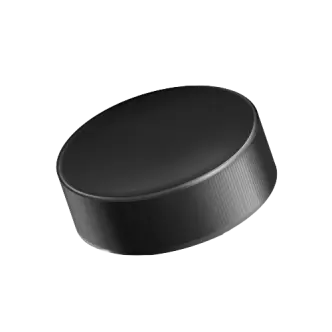
At its core, ice hockey is straightforward: two opposing teams use sticks to hit a hard rubber disc, known as a puck, into the other team's net. The side that manages to score the most goals by the end of the game takes the victory.
Two teams try to shoot a puck (a small, hard disc) into the opponent’s goal using their sticks in order to score points. The team with the most goals wins the game.

Here are the key facts about the game:

The rink:

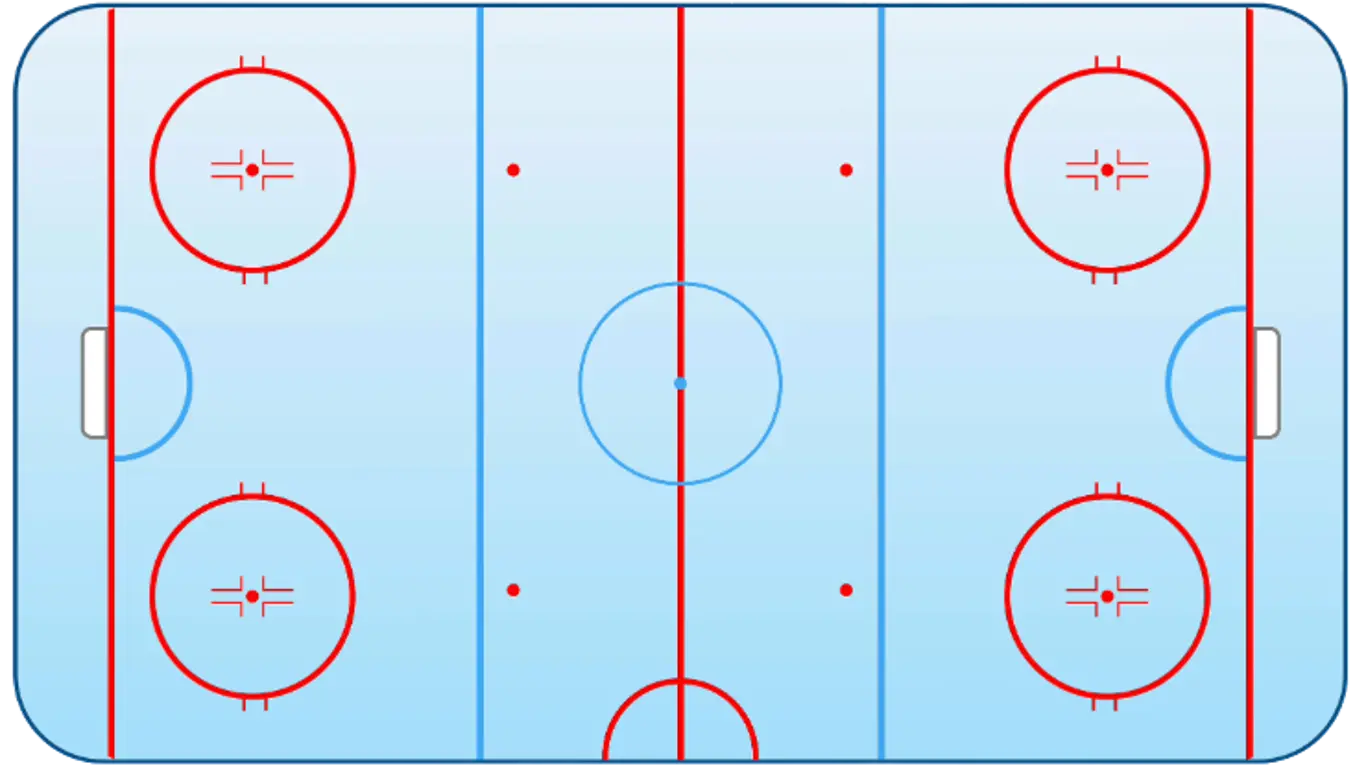
  • The game takes place on a rectangular ice surface, which is strategically split into three distinct areas: the defensive zone, the neutral zone in the middle, and the attacking zone.
  • You'll find a single goal positioned at each opposite end of the ice.
  • To organize restarts, nine specific face-off circles are marked across the rink.

Teams:

Each squad hits the ice with six players: a goalie to defend the net, two defensemen to guard the back, and three forwards to lead the attack. Teams can swap players in and out as often as they like during the match.

Playing time:

A standard game consists of three 20-minute periods. It's important to note that this is 'effective' time, meaning the clock pauses whenever the action stops.

Rules of play:

  • Offside occurs when an attacking player crosses the blue line into the offensive zone before the puck does.
  • Icing happens when a player shoots the puck from their own half across the opponent's goal line without anyone touching it. To penalize this, the game restarts with a face-off back in the offending team's defensive zone.
  • Physicality is a huge part of the game. 'Checking'—using the body to knock the puck away from an opponent—is permitted, provided it follows the official rules of the sport.

Penalties:

  • Minor penalties result in a 2-minute trip to the penalty box for less severe fouls, such as interference or slashing.
  • Major penalties are reserved for more dangerous or serious infractions and result in 5 minutes of penalty time.
  • A powerplay happens when one team is shorthanded due to a penalty. The opposing team gains a numerical advantage on the ice until the penalty expires or they manage to score a goal.

What Is a Faceoff?

To get the game moving again after a whistle, a face-off (known as a 'bully' in German) is held. Two opposing players square off at a designated spot, and the referee drops the puck between them to start a battle for possession.
Two opposing players line up against each other in a designated faceoff spot. The referee drops the puck between them, and both players try to gain control using their sticks.

There are nine designated spots on the ice where face-offs take place:

  • One in the center of the ice
  • Four of these are located in the corners of both the offensive and defensive zones.
  • Four in the neutral zone

Where exactly the puck is dropped depends on why the play was stopped or what rule was broken.

Our Betting Options

All set? Let’s go!

MERKUR BETS provides a comprehensive range of markets for hockey enthusiasts. Let's dive into some of the most popular ways to bet on the action.

If you prefer betting on goals, you can choose from several different options:

Even/Odd: Here, you're predicting whether the final combined score will be an even or odd number. For instance, a 2-2 draw (4 goals) is Even, while a 3-2 win (5 goals) is Odd.
Example: 4 goals = Even, 5 goals = Odd.

Both Teams to Score: A simple wager on whether every team on the ice will find the back of the net at least once during the game.

You can also place bets on specific periods rather than the whole game. This includes the option to bet on whether a single period will go Over or Under a certain goal count.
Within these periods, you also have the option to place Over/Under bets.

An Over/Under bet asks you to predict the total goal count. You bet on whether the final score will be above ('Over', such as 6 or more) or below ('Under', such as 5 or fewer) a set number.

IStock: Sergiy Zamureenko Hanna Siamashka gorodenkoff

Double your luck? Just share it:

Ready to put your hockey knowledge to the test? Place your bets now!

Puck2_Sportwette_Eishocky